
Meroa
Tetraploid Italian Ryegrass
Tastes better, matures later and beats the cold.
Meroa is a late-maturing, high-yielding true tetraploid Italian ryegrass. It has excellent forage quality, high yields and good winter hardiness.
Find a dealerFeatures
General Description
PRODUCT winter pea is a white-flowering, tannin-free, semi-leafless winter pea bred for improved winter hardiness and forage palatability. Fast-growing, PRODUCT can be used for cover crops, forage, and wildlife. It was developed by the USDA/ARS and WA State Ag Research.
Winter Hardiness
PRODUCT can tolerate much colder temperatures that Austrian winter peas and many other winter peas. Tests show cold tolerance down to -5 F, as compared to +10 F for Austrians. Increased cold tolerance mean more growth and more nitrogen.
Nitrogen Contributor
Winter peas can contribute up to 150 lbs. N/A. With extended winter hardiness, PRODUCT provides increased nitrogen contribution potential, for both cover crop and forage applications. Nitrogen also means more protein for grazing animals and wildlife.
Wildlife Attractant
PRODUCT is ideal for fall wildlife food plots. Fast emergence combined with tannin-free (non-bitter) stems and leaves, draw deer and other wildlife to food plots. PRODUCT can withstand frequent grazings, even during early growth. PRODUCT’s sweetness is irresistible.
Tanin-Free Sweetness
PRODUCT is a clear-coated, smooth green pea that produces white flowers. Clear-coated, white flower pea plants have been shown to be more palatable than purple flowering pea plants. They are tannin-free, making the plants sugar-sweet.
Disease Resistance
PRODUCT is Mosaic virus resistant and Fusarium wilt race 1 and 2 resistant. It is susceptible to Pea enation mosaic virus (PEMV).
Uses
Wildlife
PRODUCT is ideal for use both as a single cultivar attractant and as a mix component for wildlife food plots. Deer and other wildlife are easily attracted to the sweet, tannin-free plants. When properly planted, PRODUCT emerge rapidly and grow intensely. From initial emerges to flowering, the whole plant it sweet and palatable. PRODUCT has good regrowth too! Use with other legumes such as crimson clover, brassicas, small grains, and grasses. PRODUCT is a fantastic wildlife food.
Cover Crop
Field peas are a great cover crop tool to help build soils. With its increase winter hardiness, PRODUCT extends this opportunity to even more farmers. PRODUCT can be used straight or in combination with other nitrogen-contribution legumes, as well as brassicas, grasses and small grains. Either way, PRODUCT will contribute high amounts of nitrogen. It is easy to seed, establishes quickly, is compatible with numerous other species, has very good winter hardiness, and is easy to terminate. PRODUCT is a great cover crop.
Forage
PRODUCT has tremendous feed value and very good regrowth, making it ideal for grazing and a compliment to a winter forage mix. PRODUCT is very nutritious, with protein levels as high as 26%. PRODUCT is also very digestible and has excellent feed value numbers. PRODUCT can be combined with small grains as well as other cool season grasses and legumes. PRODUCT is also tannin-free, making the entire plant, include both stem and leaf very palatable. PRODUCT has good regrowth as well and can be grazed at a fairly early stage. Use it for grazing or hay. PRODUCT is a valuable forage crop.
Mississippi State
Animal Performance Study¹
| Response Variable | Renovation | N Only² |
|---|---|---|
| Ave Daily Steer Gain (lbs/day) | 1.67 | 1.29 |
| Accumulated Herbage (lbs/a/day) | 14.7 | 7.6 |
| Clover % (basal area basis) | 26 | 0 |
| Clover % (dry matter basis) | 31 | 0 |
| ¹A 2-acre paddock grazed by Angus crossbred steers for 56 days from mid-April to mid-June.
²60# N/a applied in spring. |
||
Yield Data
Performance
Heading
PRODUCT are slightly larger than Austrians and slightly smaller than Windhams. PRODUCT have a green cotyledon (inside), Windhams and Austrians are yellow inside
| Variety | Class | Vine-type | # Blooms per Stem | Winter Hardiness | Height, Max (in) | Grams per 100 seeds | Seed Coat | Flower Color | Tannin-Free |
|---|---|---|---|---|---|---|---|---|---|
| PRODUCT | Green | Short-leafless | Triple | -5° F | 35" | 12.2-14.0 | Clear | White | Yes |
| Windham | Yellow | Short-leafless | Double | 0° F | 29" | 13.3-15.5 | Subtly Mottled | White | Yes |
| Whistler | Yellow | Short-leafless | Double | +5° F | 32" | 15.7-17.0 | Mottled | White | Yes |
| Austrian | Purple | Tall-Normal | Double | +10° F | 65" | 12.0-14.0 | Mottled | Purple | No |
Testimonials
Ted from Southern Louisiana used Lynx on both his deer farm and cattle ranch. He also raises bees. Ted told us that the Lynx was used with other species for wildlife habitat and increasing the bee population in the forest and that the Lynx came back strong after the deer browsed them. On his organic beef farm, he mixed the Lynx with arrowleaf clover. He raises grass-fed beef, and bees. The farm is organic and he sells the beef and honey from the farm. He thinks the honey tastes a bit sweeter with the Lynx in the mix. Ted said, “They worked when I needed them to.”
Ted S. Louisiana – Spring 2016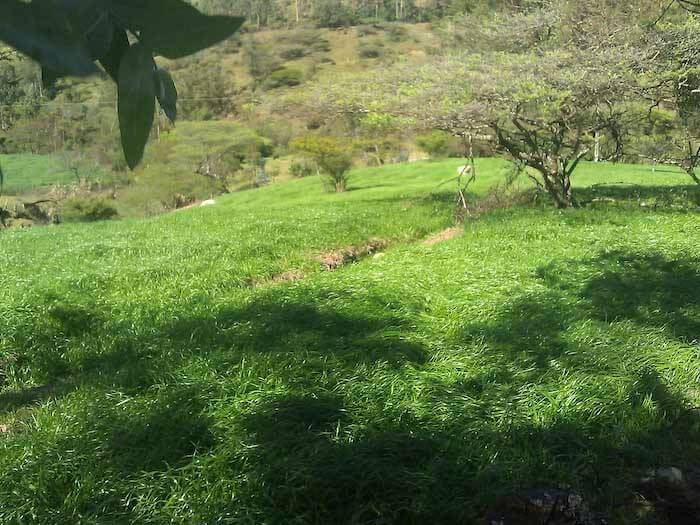
Randy sent us this deer-cam picture of his Lynx that he planted on his remote Arkansas hunting preserve. After his first planting on Labor Day he planted more in October. The first spot had clearly been browsed and looked good. He came back February and observed that both plots looked good with the earlier planted area having more growth. He send us this deer cam shot. Note the date on the camera – February 15th!
Randy Arkansas – Spring 2016Ted from Southern Louisiana used Lynx on both his deer farm and cattle ranch. He also raises bees. Ted told us that the Lynx was used with other species for wildlife habitat and increasing the bee population in the forest and that the Lynx came back strong after the deer browsed them. On his organic beef farm, he mixed the Lynx with arrowleaf clover. He raises grass-fed beef, and bees. The farm is organic and he sells the beef and honey from the farm. He thinks the honey tastes a bit sweeter with the Lynx in the mix. Ted said, “They worked when I needed them to.”
Ted S. Louisiana – Spring 2016Ted from Southern Louisiana used Lynx on both his deer farm and cattle ranch. He also raises bees. Ted told us that the Lynx was used with other species for wildlife habitat and increasing the bee population in the forest and that the Lynx came back strong after the deer browsed them. On his organic beef farm, he mixed the Lynx with arrowleaf clover. He raises grass-fed beef, and bees. The farm is organic and he sells the beef and honey from the farm. He thinks the honey tastes a bit sweeter with the Lynx in the mix. Ted said, “They worked when I needed them to.”
Ted S. Louisiana – Spring 2016Ted from Southern Louisiana used Lynx on both his deer farm and cattle ranch. He also raises bees. Ted told us that the Lynx was used with other species for wildlife habitat and increasing the bee population in the forest and that the Lynx came back strong after the deer browsed them. On his organic beef farm, he mixed the Lynx with arrowleaf clover. He raises grass-fed beef, and bees. The farm is organic and he sells the beef and honey from the farm. He thinks the honey tastes a bit sweeter with the Lynx in the mix. Ted said, “They worked when I needed them to.”
Ted S. Louisiana – Spring 2016Ted from Southern Louisiana used Lynx on both his deer farm and cattle ranch. He also raises bees. Ted told us that the Lynx was used with other species for wildlife habitat and increasing the bee population in the forest and that the Lynx came back strong after the deer browsed them. On his organic beef farm, he mixed the Lynx with arrowleaf clover. He raises grass-fed beef, and bees. The farm is organic and he sells the beef and honey from the farm. He thinks the honey tastes a bit sweeter with the Lynx in the mix. Ted said, “They worked when I needed them to.”
Ted S. Louisiana – Spring 2016Planting
Before you plant
Renovation performs best in soils with a pH 6.0-6.5. It will also grow in semi-acidic soils as low as pH 5.0. Renovation will perform better on moist, well-drained, fertile soil. Seeding into deep sandy soils is not recommended. For optimal performance, conduct a soil test and follow the recommended lime and fertilizer recommendations. In established pastures, remove excess forage through grazing or late season haying. This will help ensure successful seedling emergence and establishment. Reduce weed population prior to planting. Be aware of herbicide carryover/residual of chemicals applications prior to planting.
When to plant
All cool-season clovers, including Renovation, need time to establish before harsh weather arrives. In the lower Southern USA, the best time to plant is late fall. In the upper South, plant mid-late fall or early spring. In the North, plant early fall or early spring. Frost seeding also works well. If planting during other times, reseeding may be necessary to achieve an optimal stand.
Seeding Rate
- Planting as a pure stand on prepared seedbed: 5 lbs/acre.
- Planting as mixture with grasses on prepared seedbed: 1-2 lbs/acre
- Planting into established grass pastures: 2-3 lbs/acre
Depth/Method
Plant at 1/8-1/4" into a prepared/firm seedbed by broadcast or drill. Planting too deep may lead to poor establishment or stand failure. Cultipacking or dragging before and after seeding helps create a firm seedbed.
Fertilizing
At time of seeding, apply lime, potassium and phosphorus per soil test recommendation. No nitrogen is necessary.
Inoculation
Renovation is ready to plant! All Renovation clover is Nitro-Coated® with a high level of the leguminosarum biovar trifolii rhizobium.
| Seeding Rate | 30–100 lbs. /ac |
|---|---|
| Planting Dates | early fall |
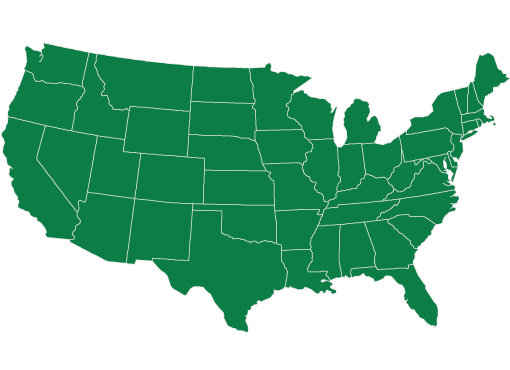
| Planting Zones (map) | green |
| Planting Depth | ½–1" |
| Optimal pH Range | 6.0–7.5 |

Planting
PRODUCT Winter Pea can be seeded at a rate of 30-100 lbs/acre depending on the mix or purpose. For best results, plant in the fall when adequate moisture is available. Ideal seeding depth: 1/2-1 inch.
Always use a proper Rhizobium inoculant to ensure optimal inoculation. PRODUCT Winter Pea is also available, pre-inoculated with NitroCoat® enhanced seed coating.
| Seeding Rate | 30–100 lbs. /ac |
|---|---|
| Planting Dates | early fall |
| Planting Zones (map) | green |
| Planting Depth | ½–1" |
| Optimal pH Range | 6.0–7.5 |
Gallery
Contact Us
Unable find a dealer? Have a question? Drop us a note using the form below.
We know that your time is valuable and are committed to responding promptly. That said, it may take us a day or two. In order to expedite your request, we may send your inquiry directly to one of our distributors or industry experts. Thank you!
More Forage Solutions
Many innovative forage solutions are available at SmithSeed.com and these product sites.


